




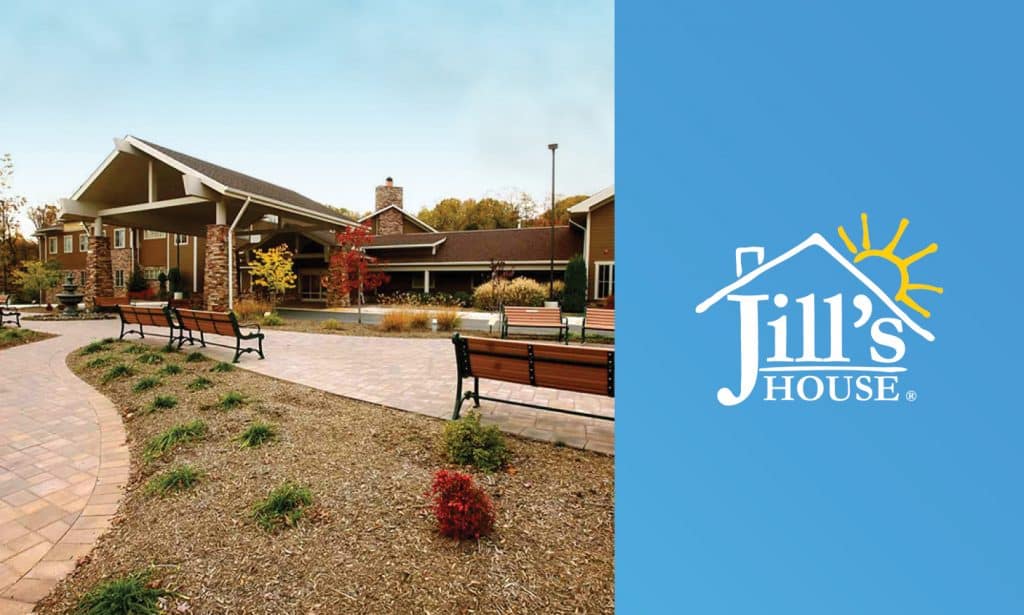
Marymount University’s Malek School of Nursing Professions is celebrating the creation of a new community partnership with Jill’s House, a local respite care facility. The partnership allows Nursing students to engage in six-week clinical rotations, assisting staff in caring for children with intellectual disabilities.
“Few nursing programs provide this level of hands-on exposure to individuals with profound intellectual and developmental disabilities, yet this population continues to grow—making it essential for health care professionals to be well prepared,” said Malek School of Nursing Professions faculty member Amy Joyner, who spearheaded this initiative. “Marymount is proud to be ahead of the curve and serve this growing need.”
Marymount is the first university to form a partnership with Jill’s House in the 15 years since the nonprofit’s founding. The contract ensures clinical experiences for Marymount students over the next two years.
The first cohort of six students began their rotations in January 2026, commuting to Jill’s House every Friday night for patient check-in. Each student nurse was assigned to individual patients or a group of children, and met with parents to go through medication and allergy checks.
“Our mission isn’t just to care for the kids. It’s to give rest to these families by providing safe overnight care for their kids,” said Rachel Temple, senior director of nursing and respite care administration at Jill’s House. “These check-ins provide students with a look at how we care for both the children and their families.”
Joyner emphasized the importance of exposing students to a wide range of clinical experiences, particularly lesser-known fields such as respite care.
“The respite care setting allows students to understand the daily realities faced by children with severe disabilities and their families, emphasizing the value of patience, advocacy and holistic nursing care,” Joyner explained.
Over the six-week rotation, student nurses worked in a variety of settings as they interacted with parents, children and staff nurses. Junior Nursing student Kreeti Kunwar says the hands-on experience at Jill’s House was invaluable for her development as a health care provider.
“The work we did at Jill’s House showed me the importance of the human side of health care,” Kunwar said. “Nursing is not only about medical care. It’s also about connection, building relationships with patients and helping them not just medically but emotionally, too.”
Before finishing their rotation, students from the first cohort planned a special toy drive to give back to the Jill’s House community.
“It was a very emotional experience for us,” Kunwar reflected. “The kids were excited, and it meant a lot not just to them but to their families. It felt meaningful to give back.”
Temple says the toys were a “welcome surprise” and a wonderful way to celebrate the first cohort closing its rotation. Since then, a second cohort has completed its rotation, with a third scheduled to join Jill’s House in the summer.
“Having the Marymount students has been such a positive and energizing experience,” Temple said. “Even if students don’t go into respite care, they will encounter individuals with intellectual disabilities in many areas of health care. If we can help open their perspective and show the joy in this work, that’s something we’re glad to do.”
“This clinical partnership strengthens Nursing students’ clinical competence, increases their confidence in caring for this vulnerable population and prepares future nurses to provide safe, respectful and inclusive care across the lifespan,” Joyner added.
