





This episode of Faculty in Focus highlights Dr. Patricia Heyn, Director of Marymount’s Center for Optimal Aging and Interim Vice President for Research. Dr. Heyn discusses the Center for Optimal Aging’s progression and its impact on older adults in the DMV region and nationwide, both now and in the future.
How did you first become involved with Marymount’s Center for Optimal Aging?
I joined Marymount’s Center for Optimal Aging as its founding director in September 2021. My passion for gerontology and improving the quality of life for older adults drew me to this initiative. I was incredibly excited about the opportunity to lead innovative, inclusive research that addresses the multifaceted aspects of aging.
What was your prior experience before joining Marymount?
Before joining Marymount’s Center for Optimal Aging, I had diverse research experiences ranging from academic laboratories to community-based participatory research. My career began in 1989 at the University of São Paulo’s Heart Institute, where I conducted animal studies and human performance physiology research.
In 1990, I moved to Florida to pursue a Ph.D. in exercise science and gerontology at the University of Central Florida. I focused on cardiovascular disease prevention and health promotion for older adults, including those with Alzheimer’s. After earning my Ph.D., I completed two federally funded postdoctoral fellowships, one in neurorehabilitation at the University of Texas Medical Branch and another in geriatric medicine at the University of Colorado School of Medicine. These unique academic training experiences broadened my perspective on health research and helped me develop creative solutions to complex health problems.
What have been some significant milestones for the Center?
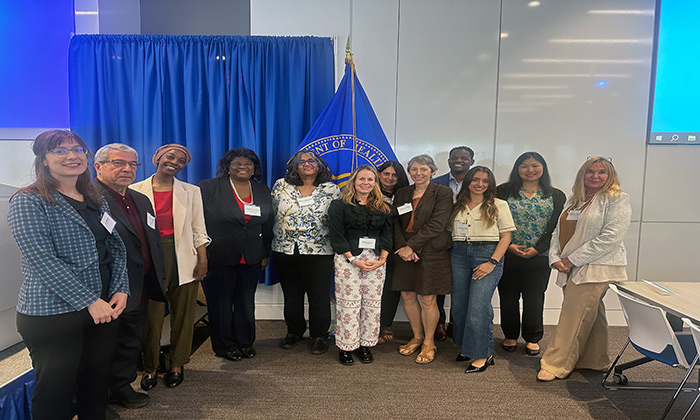
Despite its relatively short tenure, the Center for Optimal Aging has reached several key milestones. It has established a skilled and qualified research team, built strong community partnerships and secured substantial startup funding. We have also made significant scholarly contributions through the Center, publishing over 30 peer-reviewed manuscripts and submitting over 18 grant applications. Additionally, it has hosted successful interdisciplinary seminars and workshops, promoting knowledge exchange and collaboration. These achievements have significantly advanced the field of aging research, fostering innovation and strengthening partnerships within academic and professional communities.
What kind of research does the Center focus on?
Our research encompasses a diverse range of areas that include falls prevention, brain health, cognitive aging and the integration of artificial intelligence and technology in aging studies. We also focus on oral health and overall health promotion, racial health equity and the prevention and detection of Alzheimer’s disease. Additionally, our work explores the intersection of nutrition and climate health, recognizing the impact of environmental factors on aging. Through these efforts, we aim to advance knowledge and develop innovative solutions to improve health outcomes across the lifespan.
One exciting initiative launching in Spring 2025 is the Arlington Longitudinal Optimal Healthy Aging Study (ALOHA). This study will track and analyze key health metrics over time, providing valuable insights into healthy aging in Northern Virginia and beyond.
Do you have any personal anecdotes about the Center’s impact on the community?
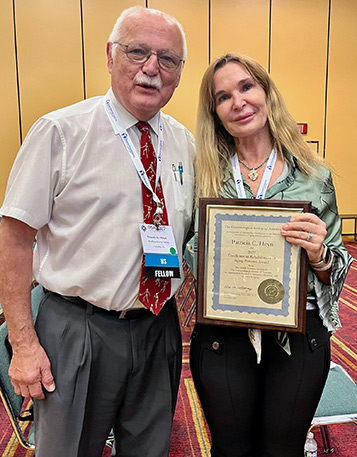
One of the most rewarding aspects of my work has been mentoring faculty and trainees in gerontology and health equity. I have been incredibly fulfilled by seeing their professional growth and contributions to aging research.
Additionally, our falls prevention programs have significantly improved the lives of older adults. One participant shared how the program helped her regain independence, reducing her fear of falling and increasing her confidence. Witnessing the immediate impact of our research on community well-being reinforces the importance of our work.
What is an important lesson you’ve learned through the Center?
One key lesson I’ve learned is the power of mentorship and career development sponsorship. By fostering a collaborative and inclusive environment, we ensure that diverse voices are heard, leading to more effective and sustainable solutions that meet the needs of older adults.
What does the Center hope to accomplish?
The Center for Optimal Aging is poised for continued growth and more significant impact with a clear vision for the future. Our goals include expanding research initiatives to address emerging challenges in aging, enhancing outreach and community engagement to foster meaningful connections and influencing policy and best practices to drive systemic change. By advancing the field of gerontology, we strive to improve the lives of all older adults, ensuring a healthier and more equitable future for aging populations. Ultimately, we aspire to become a global leader in aging research, known for innovative approaches and a commitment to health equity.
