




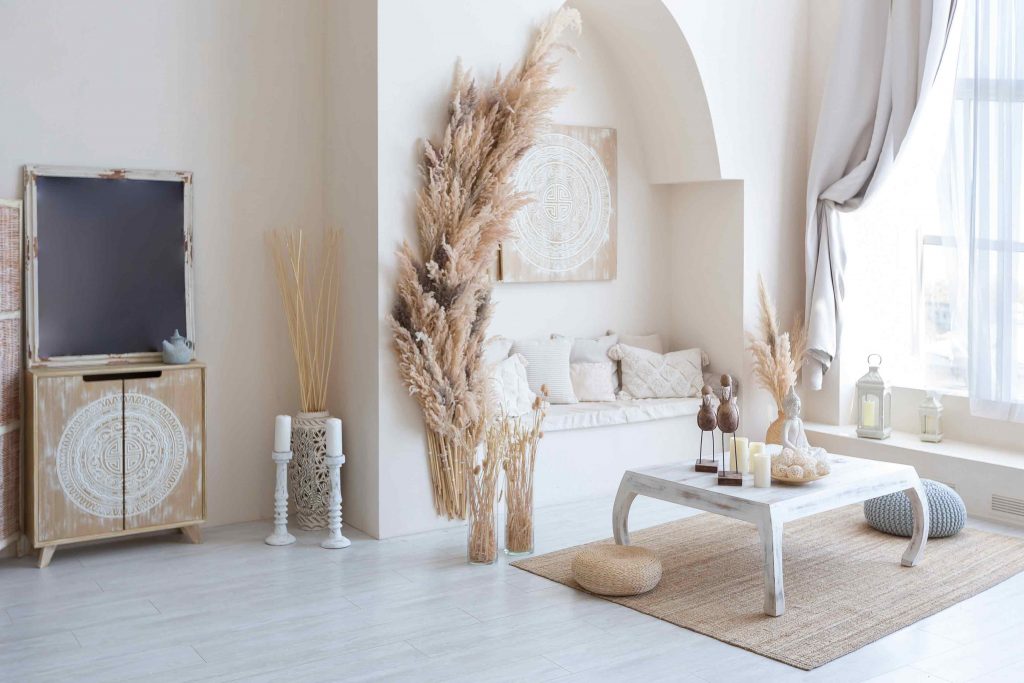
Culture vividly shapes the environments we inhabit. Thus, interior design today has the potential to encompass more than just aesthetics. It can serve as a powerful means of storytelling, identity, and cultural expression — from the symbolic use of color and pattern to the thoughtful inclusion of heritage interior design materials and spatial traditions.
Read on as we explore the rich intersection of culture and interior design, offering insight into how designers can respectfully and creatively integrate cultural influences into their work. Whether crafting spaces that honor a client’s ancestry or designing inclusive public environments, understanding and celebrating cultural context is integral to creating interiors that are not only beautiful but meaningful.
Understanding Culture’s Role in Interior Design
To create meaningful and respectful spaces, it’s essential to recognize how deeply culture informs interior architecture. In terms of the layout of rooms or choice of materials, cultural values shape both the function and feel of our environments.
How Traditions and Social Norms Influence Spatial Planning
Cultural traditions and social customs significantly impact how spaces are organized and used. In some cultures, open communal areas are central for multigenerational gatherings, while others prioritize privacy and individual retreats. Religious practices, gender roles, and hospitality customs can all dictate the flow and division of interior space, influencing everything from room adjacencies to furniture arrangements.
Symbolic Meanings of Color, Pattern, and Material
Colors, patterns, and materials carry powerful cultural meanings beyond aesthetics. Understanding these symbolic associations helps designers make choices that honor and enhance a space’s cultural narrative. For instance:
- Red may symbolize good fortune in one culture and mourning in another.
- Geometric patterns might reflect historical storytelling.
- Certain woods or fabrics may be sacred or reserved for special rituals.
Cultural Identity vs. Trend-Driven Aesthetics
While global design trends often draw inspiration from cultural motifs, there is a key distinction between honoring cultural identity and following passing aesthetics. Thoughtful design centers the lived experiences and values of the people who use the space, rather than simply borrowing stylistic elements. Designers must balance timeless cultural relevance with modern sensibilities to promote authenticity and respect.
Researching and Respecting Cultural Contexts
Designing culturally inspired spaces calls for genuine understanding, sensitivity, and research. Designers can ensure their work reflects genuine appreciation rather than superficial interpretation by engaging with communities and studying cultural traditions.
Conducting Client Interviews and Community Consultations
Authentic cultural integration starts with listening. Client interviews and community consultations provide insights into personal values, lived experiences, and cultural priorities. These conversations can reveal meaningful symbols, rituals, and spatial preferences that might otherwise be overlooked, in turn guiding more personalized and respectful design solutions.
Studying Regional Architecture, Art, and Craft Traditions
To honor a culture’s design language, study its architectural history, artistic expressions, and craft techniques. From the structural principles of vernacular buildings to the intricate details of indigenous textiles, these traditions offer valuable context and inspiration. Designers who invest time in this research are better equipped to create spaces that reflect cultural depth and integrity.
Distinguishing Appreciation From Appropriation
The line between cultural appreciation and appropriation can be subtle but critical. Appreciation involves understanding, crediting, and uplifting cultural sources, often through collaboration or acknowledgment. Appropriation, on the other hand, strips elements from their original context without permission or understanding. Designers should approach cultural elements with humility, seeking to honor rather than exploit, and ensuring that representation is accurate, consensual, and empowering.
Key Cultural Elements to Integrate Thoughtfully
When thoughtfully chosen and authentically applied, specific cultural elements can enrich a space with meaning, identity, and a deep sense of place. Designers should approach these features with intention, ensuring they reflect both cultural significance and design integrity.
Color Palettes Tied to Heritage and Symbolism
Color plays a pivotal part in cultural expression, often carrying symbolic meanings rooted in tradition and belief. Earthy tones may reflect a connection to nature in one culture, while vibrant hues might signify celebration or spirituality in another. Incorporating culturally significant color palettes not only enhances visual impact but also conveys respect for the heritage they represent.
Indigenous Materials and Sustainable Sourcing Practices
The materials used in a design can speak volumes about cultural values and environmental relationships. Sourcing indigenous materials sustainably, and with proper attribution, supports ecological responsibility and helps preserve artisanal economies tied to cultural heritage.
Such materials that reflect traditional craftsmanship and regional identity might include:
- Bamboo
- Adobe
- Rattan
- Locally quarried stone
Motifs, Textiles, and Artisanal Techniques
Traditional interior design motifs and handcrafted textiles are rich in cultural narratives, often passed down through generations. Be it through embroidery, weaving, carving, or dyeing, these artisanal techniques tell stories of identity, migration, spirituality, and community. Thoughtfully integrating such elements adds authenticity and artistry to a space, particularly when designers collaborate directly with craftspeople or source items through ethical trade channels.
Balancing Authenticity With Contemporary Function
Culturally inspired interior design must do more than reflect tradition; it also needs to meet the demands of modern life. Successful design honors heritage while adapting spaces for contemporary use, comfort, and regulatory standards.
Blending Modern Furnishings With Heritage Accents
A well-balanced space thoughtfully merges old and new, incorporating heritage accents — such as heirlooms, handcrafted pieces, or traditional artwork — alongside modern furnishings and technologies. This fusion interior design approach preserves cultural meaning without sacrificing functionality, thereby creating a layered, timeless aesthetic that resonates with today’s lifestyles.
Zoning Spaces for Cultural Rituals or Gatherings
Cultural practices often influence how space is used for rituals, gatherings, or daily routines. From a communal kitchen to a prayer nook or tea ceremony area, zoning specific areas for these activities allows traditions to remain central within a modern layout. This thoughtful planning ensures cultural rituals are seamlessly woven into the rhythm of everyday living.
Ensuring Accessibility and Building-Code Compliance
Integrating cultural elements should be done within the framework of modern safety, accessibility, and building regulations. Designers must balance cultural authenticity with legal requirements (e.g., fire-rated materials and ADA-compliant pathways) so that spaces are inclusive, safe, and fully functional for all users.
Designing for Multicultural Households and Public Spaces
As societies become more diverse, designers are called to create environments that reflect and support multiple cultural identities. This requires thoughtful integration, flexibility, and inclusivity to ensure all users feel seen, respected, and comfortable.
Layering Multiple Cultural References Cohesively
Multicultural spaces benefit from layered storytelling, where design elements from different traditions coexist in harmony. Designers can emphasize unique cultural or interior design elements, perhaps through material choices or spatial layouts, without sacrificing visual harmony. This cohesion can be achieved through consistent use of scale, color, or texture, rather than merging distinct aesthetics into a singular, diluted style. The result is a space that honors individual identities while fostering shared belonging.
Creating Flexible Zones for Diverse Rituals and Celebrations
Different cultures often have unique needs for gathering, worship, or celebration. Designing flexible, multi-use zones (such as movable partitions, adjustable lighting, or modular furniture) allows spaces to adapt to various traditions and events. This approach supports cultural expression without requiring permanent, rigid configurations.
Using Universal Design Principles to Bridge Differences
Universal design principles, such as intuitive navigation, physical accessibility, and sensory inclusivity, help curate multicultural spaces that are welcoming to all. These guidelines provide a neutral foundation that accommodates diverse cultural needs and abilities, making shared spaces more functional and inclusive across cultural lines.
Ethical and Legal Considerations
When integrating cultural elements into interior design, ethical responsibility and legal compliance are just as important as creative vision. Designers should be mindful of fair practices, intellectual property rights, and the authenticity of cultural sourcing.
Credit and Compensation for Artisan Collaborators
Collaborating with cultural artisans and craftspeople can bring invaluable authenticity to a design — but it’s essential to make sure they are properly credited and fairly compensated. Recognizing their contributions through attribution and equitable pay both support their livelihoods as well as help preserve cultural knowledge and craftsmanship for future generations.
Intellectual Property Rights Around Cultural Designs
Intellectual property laws protect many cultural symbols, patterns, and techniques or hold deep spiritual significance. Designers must research the ownership and usage rights of these elements, especially when working with Indigenous or marginalized communities. Seeking permission and adhering to copyright or tribal guidelines helps prevent misuse and protects cultural heritage.
Navigating Certifications for Heritage Interior Design Materials
Some heritage materials or artisanal goods come with certifications that verify authenticity, ethical sourcing, or environmental responsibility. Examples include Fair Trade certification or Indigenous-made labels. Understanding and respecting these certifications builds trust with clients and communities while helping align the design process with ethical standards and cultural integrity.
Collaboration and Community Engagement
Culturally inspired interior design thrives on genuine collaboration. Engaging with communities, experts, and clients throughout the process cultivates authenticity and trust, plus spaces that reflect lived experiences rather than assumptions.
Partnering With Local Craftspeople and Cultural Historians
Involving local artisans and cultural historians brings depth and accuracy to a design. Craftspeople contribute traditional interior design techniques and materials, while historians offer context and meaning behind design motifs and spatial practices. These partnerships help preserve cultural legacies and ensure that design elements are not only beautiful but also respectfully grounded in their origins.
Co-creation Workshops With Clients and Stakeholders
Facilitating co-creation workshops enables clients and stakeholders to directly shape the design process. These sessions encourage shared storytelling, idea exchange, and mutual decision-making, which can result in spaces that are deeply personal and culturally aligned. They also empower participants by fostering a sense of ownership and pride in the final outcome.
Documenting Stories Behind Design Choices for Occupants
Whether through plaques, printed materials, or digital platforms, sharing the stories behind design elements enhances the experience of the space for its users. Documenting the cultural significance of materials, patterns, or spatial arrangements helps occupants connect with their environment and honors the traditions that inspired the design.
Future Trends in Culture-Driven Interior Design
As technology advances and cultural awareness deepens, the future of interior design lies in innovative approaches that honor tradition while embracing new tools and mindsets. These emerging trends point toward more inclusive, immersive, and ethically grounded design.
Digital Heritage Archives Informing Virtual Walk-Throughs
Designers are increasingly turning to digital heritage archives — like collections of historical artifacts, architecture, and oral histories — to inform their work. These resources can be integrated into virtual walk-throughs, allowing clients to explore cultural concepts in immersive ways before implementation. Blending history and technology, this type of fusion interior design enhances both design accuracy and client engagement.
Revival of Traditional Craft Through 3D Printing and VR Prototyping
Modern fabrication tools like 3D printing and virtual reality prototyping are enabling the revival of traditional crafts. Artisans and designers can now preserve intricate techniques digitally, replicate rare patterns with precision, and test cultural elements in virtual spaces before construction. This innovation ensures that ancestral knowledge can evolve and thrive in contemporary contexts.
Growing Demand for Culturally Responsive Design Education
Awareness of cultural sensitivity in design grows alongside the demand for educational programs that equip future designers with the knowledge and ethical frameworks needed to work across cultures. Curricula emphasizing history, community engagement, and cross-cultural collaboration are becoming essential to prepare designers for a more globally conscious and inclusive profession.
Create With Purpose: Learn More About Integrating Culture in Interior Design
The interior design field continues to evolve, meaning the ability to thoughtfully integrate cultural elements is becoming not just a creative asset but a professional imperative. No matter if you’re designing for private homes or public spaces for multicultural communities, a culturally responsive approach leads to more meaningful, respectful, and lasting design outcomes.
Ready to deepen your understanding of design through the lens of culture, ethics, and innovation? Explore the Master of Arts (M.A.) in Interior Design at Marymount University, or browse all our majors and programs to start your journey toward a career that blends creative vision with cultural insight. Get in contact for more information, or apply today.
Sources
https://www.kaikodesign.com.au/articles/how-cultural-fusion-has-revolutionised-interior-design
https://eric.ed.gov/?q=author%3Ayoung&ff1=pubReports+-+Evaluative&id=EJ1350219
https://islandoriginsmag.com/6-ways-to-incorporate-your-culture-in-interior-design/
https://gjeta.com/content/influence-culture-and-heritage-interior-aesthetics
https://www.ada.gov/law-and-regs/design-standards/
https://www.aia.org/sites/default/files/2024-11/AO%20%238.pdf
https://www.fairtradecertified.org/
https://www.artsy.net/article/artsy-editorial-interior-design-trends-2025
https://marymount.edu/academics/majors-programs/
https://marymount.edu/admissions/graduate-students/meet-with-us/
https://apply.marymount.edu/apply/
