




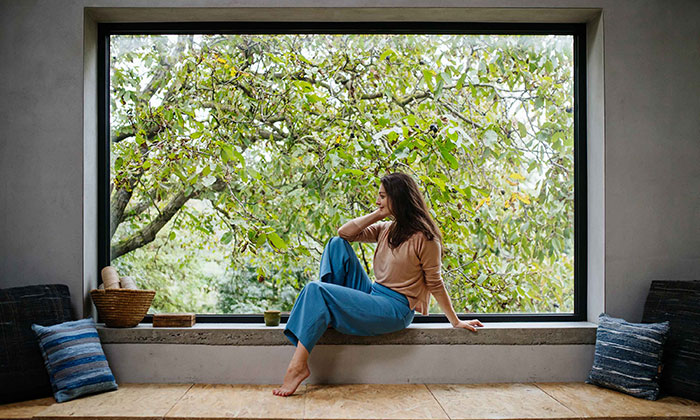
Healing environment design is a strategic approach to interior architecture and interior design that promotes mental health benefits. Relying on environmental psychology principles, interior designers and architects specializing in holistic design work to create cohesive spaces that look beautiful and offer a peaceful and calming atmosphere for anyone who enters the room.
Defining Interior Architecture and Well-Being
The fact that interior spaces directly impact emotional well-being is not surprising to most people. Nearly everyone can relate to the feeling of stepping into a room and being overcome with a particular feeling. A stark, foreboding lobby devoid of color may make occupants feel anxious or uncertain. In contrast, a welcoming space with neutral tones and water features may create a peaceful sense of calm for anyone who enters.
Why Mental Health Matters in Design
Interior designers and architects need to recognize the vital role of mental health and emotional well-being in their interior design plans. Mental health matters in design because the design strategy you create will influence how people feel when they are in the space, which can in turn directly impact the room’s functionality and versatility. Knowing the intended purpose and identifying the emotions an individual should experience while in the space can help you create a strategic and effective interior architecture plan.
The Science Behind Interior Architecture and Mental Health
Given the fact that most people spend the majority of their time indoors, there has been increased interest among researchers in the connections that exist between interior architecture and overall mental health and emotional well-being. According to research published in the International Journal of Environmental Research and Public Health, most people have psychological responses to their indoor environment, highlighting the importance of creating holistic interior design plans prioritizing mental health.
Environmental Psychology
Positive Psychology defines environmental psychology as the study of people and their interactions with their physical surroundings. Not surprisingly, environmental psychology plays a prominent role in holistic design, as interior architects and designers work to create spaces that both look and feel great.
Evidence-Based Design Principles
Evidence-based design is an interior architecture and design practice that requires professionals to make strategic decisions about environmental design to improve the room’s look and atmosphere. Through evidence-based practice, interior designers and architects must work to define strategic goals for the room and uncover evidence that supports their design strategy.
Essential Elements of a Well-Being-Focused Interior
Developing an interior design strategy that promotes mental health and emotional well-being requires interior architects and designers to create comprehensive plans that include a variety of elements. These are some of the essential aspects of wellness-focused interior design:
Lighting and Its Psychological Impact
The availability of natural lighting will directly impact the mood and atmosphere of the room. Leveraging natural light benefits within your interior design plan will allow you to improve the mood of the space and increase the rate of productivity within the room. When natural light is not readily available, architectural lighting solutions can be used to improve both natural and artificial light in the space.
Color Psychology
Color psychology in design refers to the theory that the color of a room impacts the overall mood and feel of the space. Calming color palettes, such as neutral tones or green and blue hues, can create a sense of peace and calm within a room, ultimately promoting the space’s emotional well-being.
Spatial Layout and Flow
Interior designers can work strategically to create a layout that improves the flow of the room and allows a person to feel at ease. The placement of furniture and the incorporation of additional design elements will influence the atmosphere of the room, and determine how an individual feels when they enter it.
Materials and Textures
The materials and textures used within an interior design plan can complement the mental health goals of the space. Research published in the International Journal of Environmental Research and Public Health states that materials such as glass and wood are better for restorative spaces, and metal is not recommended for rooms meant to be peaceful and calming.
Incorporating Biophilic Elements
Biophilic interior design is an emerging interior design approach that focuses on incorporating natural elements into interior spaces. Biophilic design elements can improve well-being, productivity and indoor air quality. Demand for biophilic elements increased exponentially during the COVID-19 pandemic, and it continues to be one of the most powerful interior design trends today. In fact, as noted in Architectural Digest, a recent study shows that people often want to spend more time in rooms with biophilic elements than in those without them.
Designing Homes for Improved Mental Health
Home design for wellness requires interior architects and designers to focus on creating restful spaces that offer a sense of security.
You can design homes for improved mental health by:
Creating Restful Bedrooms
Bedrooms are a private escape designed for rest and relaxation. Interior architects can use color theory and environmental psychology to create bedrooms that promote peace and enable sleep. Blue, for example, may be one of the best colors for a bedroom because it opens up the space and creates a restful atmosphere.
Cozy and Functional Living Areas
Living areas are the places in the home where people connect with their family members and entertain their friends. These spaces should be designed to be functional, welcoming, and comfortable. Interior designers can create cozy living spaces through warm tones and natural elements.
Mindful Home Office Spaces
An increasing number of people are working from home, requiring interior architects to strategically design office spaces that are functional and that promote productivity. By leveraging the benefits of natural light, interior designers can create mindful home office spaces.
Boosting Mental Well-Being in Office Settings
Employers who want to create comfortable spaces where people are happy and productive often partner with interior design experts. Office design for productivity and wellness involves:
Open vs. Private Workspaces
An increasing number of professionals are searching for workspaces that offer open floor plans and abundant natural lighting. By crafting a high-quality work environment with wellness enhancements, employers can attract and retain the top talent in their industry.
Focus on Employee Wellness
Adding biophilic features, such as plants, natural materials and water features, allows interior designers to create a space that promotes happiness and well-being, and ergonomic furniture can ensure that workers can be both safe and comfortable while working.
Encouraging Movement and Activity
Workers spend an exorbitant amount of time in their offices, and this sedentary lifestyle can be detrimental to their physical and emotional health. By creating an open office space that encourages movement and activity, interior architects can design a space that leads to positive mental health outcomes among workers.
Public Spaces That Promote Community Health
In addition to homes and workspaces, interior architects can have an impact on public spaces that promote community health, such as:
Healthcare Environments
The interior design and architecture of healthcare environments can have a direct impact on patient experience and even patient outcomes. By creating a restorative space within healthcare environments, interior architects can reduce patient stress and anxiety significantly.
Community Centers and Libraries
Spaces designed for community engagement should be a welcoming reprieve for all local residents. Community centers, libraries, performing arts facilities and other gathering spaces should incorporate environmental psychology principles to maximize their impact on the local community.
Urban Planning and Outdoor Spaces
The principles and strategies used in interior architecture can be applied to outdoor environments. By collaborating with urban planners, interior architects can help create innovative and restorative outdoor spaces for everyone to enjoy.
Overcoming Design Challenges
Some of the leading mental health interior design challenges that you may face include:
Budget Constraints
Budget constraints can make interior architects and interior designers feel limited. Still, by optimizing resources, it’s often possible to create an innovative and effective strategy while staying within the confines of the budget.
Balancing Aesthetics and Functionality
Balancing aesthetics and functionality can be difficult, mainly when interior designers are focused on mental health interior design. However, a comprehensive approach to the design plan can allow you to create a room that lends itself to productivity and promotes emotional well-being.
Evolving Trends and Technology
Interior design and interior architecture trends tend to ebb and flow, but by creating timeless strategies that prioritize environmental psychology principles, you can leave a lasting impression on your clients that will transcend any emerging trends.
Explore the Psychology of Interior Design at Marymount University
Many people assume that both interior design and interior architecture are fields that focus solely on aesthetic improvements within an interior space. In reality, these creative disciplines blend the art of design with the science of psychology, allowing professionals to create mental health interior design plans that enhance the entire atmosphere of the space.
At Marymount University, we offer a Master of Arts in Interior Architecture and Design degree program that focuses on holistic interior design, allowing graduates to develop the skills required to create healing environments for their clients. Connect with the Office of Graduate Enrollment to learn more about our majors and programs and apply today.
Sources
https://architizer.com/blog/inspiration/stories/psychology-curves-and-lines-architecture/
https://pmc.ncbi.nlm.nih.gov/articles/PMC8656816/
https://positivepsychology.com/environmental-psychology/
https://www.healthdesign.org/certification-outreach/edac/about-ebd
https://www.verywellmind.com/interior-design-as-therapy-tool-anita-yokota-7969476
https://www.hgtv.com/design/remodel/interior-remodel/the-psychology-of-color
https://pmc.ncbi.nlm.nih.gov/articles/PMC10379609/
https://www.architecturaldigest.com/story/biophilic-design-ideas-on-a-budget
https://cfma.org/articles/innovative-design-strategies-promoting-physical-and-mental-wellbeing
