




Alumni Spotlight: Gregg Ficery
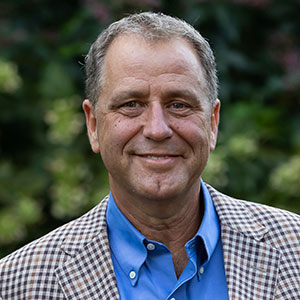
Class of 1995
Degree:
Master’s in Business Administration
Current Role:
Founder and President at Integgra Valuation & Advisory Services
Where are you from, and what led you to choose Marymount for your MBA?
I grew up in Pittsburgh, Pa., and completed my undergraduate studies at a top 25 university in the D.C. area. After graduating in 1988, I started working at Freddie Mac in Northern Virginia. Freddie Mac had a relationship with Marymount’s MBA program and offered 100 percent tuition reimbursement for students who met certain grade requirements. That incentive, plus the ability to study part time at night, made Marymount a perfect fit. The degree allowed me to grow in my career, especially after moving to Atlanta in 1996 when I took on greater responsibilities and significantly increased my salary. I’m extremely grateful for what this degree and Marymount in general did for me.
What was your time like in the MBA program?
It was a non-traditional setup, with evening classes and no remote learning like we have now. This was 1995, so everything was in person, but Marymount offered flexibility for working professionals like me. I had already earned a finance degree in undergrad, but the MBA program enhanced my skills and better prepared me for more advanced financial work. I found the quality of professors at Marymount to be as strong, if not stronger, than those at my undergrad institution. Although there wasn’t a formal cohort structure like some MBA programs have today, I interacted a lot with my peers in group projects. What enriched the experience was how all of us had some professional experience. That made the content more practical and relevant. We could apply what we were learning and have more meaningful discussions with one another.
What made you want to get involved with Marymount as an alumnus?
After graduating, I didn’t reconnect with Marymount until a few years ago when I met President Becerra in Atlanta. Since then, I’ve become more involved. Even though I wasn’t plugged into the alumni network early on, the degree itself gave me the foundation I needed to move forward in my career. In the corporate world, I worked for several Fortune 50 companies and later pivoted to startup technology companies, where I felt more empowered. That mirrors my reengagement with Marymount—I saw an opportunity to make an impact, unlike the large, impersonal alumni networks of bigger schools.
Marymount always had a sense of community and personal connection that you don’t find at larger institutions. President Becerra took that to a whole new level. She and her team made a real effort to get to know me personally and ask how I’d like to contribute. That openness has made me excited to stay involved—whether through finance committees or even athletics. I was a college tennis player and still play ice hockey, so the opportunity to contribute in those areas is really exciting.
You recently published your first book, “Gridiron Legacy: Pro Football’s Missing Origin Story.” What inspired you to write it?
The book was inspired by family lore—specifically, the career of my great-grandfather, who was one of the top professional football players before the NFL existed. In 2007, after my grandmother passed, I discovered a collection of old football photos in her home. With encouragement from the Pro Football Hall of Fame, I began researching the era and ultimately wrote the book myself when I couldn’t find the right writer. The story explores a forgotten period in football history and even solves a cold case involving allegations of gambling corruption. It’s both a visual archive and a redemption story for football’s early pioneers.
Shortly after reconnecting with the alumni network, Marymount invited me to give a presentation on the book to the University community. I spoke to students, faculty and staff and participated in a fireside chat. Even after being away for so long, the community was still willing to support me and my passion project. It was a great way to re-engage with the school and share a project I had spent 15 years developing.
What has been the overall reception of the book? What’s next for you?
The book was officially released in 2023 and has been well received. I’ve done interviews, podcasts and even spoken on Media Row at the Super Bowl. The Hall of Fame has been supportive, and we’re continuing to explore ways to honor these early players, possibly through a permanent display. The big dream, though, is a mini-series. We’ve written a full six-part script and are pitching it to networks. It’s been challenging navigating the media industry—it’s a very different world from finance, but it’s incredibly rewarding. It’s been a stimulating, creative challenge full of growth and self-discovery. Many people are shocked this story hasn’t been told before, and I’m excited to be the one bringing it to light. I hope that this story can find the right audience and those early athletes can get the recognition they deserve for making football what it is today.
